Contents · 14
- Why Increase Average Order Value in Your Online Store?
- What Is the Difference Between Upselling, Downselling and Cross-Selling?
- 10 Ways to Increase Average Order Value in Your Online Store
- 1. Free Shipping Above a Certain Order Value
- 2. Product Bundles
- 3. Recommended Products
- 4. Free Gift or Discount Above a Certain Order Value
- 5. Volume Discounts (Buy More, Save More)
- 6. Upselling When a Product Is Added to the Cart
- 7. Upselling on the Thank-You Page
- 8. Post-Purchase Upselling in the Order Confirmation Email
- 9. Order Insurance and Express Delivery
- 10. Upselling Through Email Marketing
- Frequently Asked Questions About “How to Increase Average Order Value in Your Online Store: Best Strategies and Practical Tips”

Average order value is one of the most important metrics for any retail or service business. Analyzing it shows how much revenue each order brings in and helps you forecast the sales plan you need. Alongside conversion rate and other KPIs, growing average order value is one of the top priorities for ecommerce marketers. In this article, we explain why you should increase your average order value and how to do it.
Why Increase Average Order Value in Your Online Store?
Average order value (AOV), also known as average order size, is the average amount of money customers spend in your store per order.
To calculate the average order value of your online store, divide total revenue by the number of orders received.
Example: 30 orders at $80, 20 orders at $60 and 70 orders at $30. Divide total revenue by the number of orders, and you get an average order value of $47.5.
Average order value is crucial for any business because it directly affects profit. If your analysis shows that your average order value is low, you need to raise it, as doing so brings your business many benefits.
So what does a higher average order value give you? Let’s look at two key benefits.
- Higher revenue and profit
In most cases, profit grows as average order value grows. Clearly, the more an online store earns per order, the more profit the business makes overall. Once you see a positive shift in average order value, you can reinvest the funds in growing your business.
- Return on marketing spend
Net profit is often very low because of marketing costs, which makes marketing expensive and unprofitable. When average order value increases, however, you earn more from each customer and are more likely to cover your customer acquisition costs thanks to a higher margin in absolute terms.
What Is the Difference Between Upselling, Downselling and Cross-Selling?
To succeed in today’s competitive environment, you need to build sales techniques such as upselling, downselling and cross-selling into your marketing system. Let’s take a closer look at each one.

Upselling is a strategy that increases the order value by selling an alternative product with better features that justify a higher price. In other words, its main goal is to sell a more expensive, better version of the product than the one the customer originally intended to buy.
It is essential to convince the customer that the suggested product is the best solution and will benefit them. The biggest advantage of upselling is that the customer starts to feel the value of the offer, which increases their loyalty to the brand.
Downselling is the opposite of upselling. It makes sense to use it when a customer hasn’t decided to buy. In that case, you can offer an alternative product with basic features at a lower price. If price is the reason for hesitating, the customer will most likely accept your offer. The goal of this strategy is to keep the customer.
Cross-selling is similar to upselling, but here the order value grows by selling complementary products or services. While buying the main product, the customer is guided toward related items or services, such as a screen protector for a phone, a filter with engine oil or a mouse with a computer. In other words, complementary products make the purchase more useful and increase its value for the customer.
Cross-selling not only raises average order value but also builds customer trust, since the purchase and the personalized approach strengthen brand loyalty.
In practice, regardless of the price of the extra items, anything related to selling additional products can be called upselling.
10 Ways to Increase Average Order Value in Your Online Store
There are several ways to increase average order value in an online store. Let’s look at the most popular ones. Keep in mind that every business owner and marketer needs to choose the strategies that fit them.
1. Free Shipping Above a Certain Order Value
Free shipping is a common and highly effective way to encourage customers to spend more in your store. To get customers to add more products to their carts, you can offer free shipping on orders above a certain amount. Many online stores use this strategy to increase average order value.
Is your average order $80? Try offering free shipping from $100, and a significant share of shoppers may take advantage of the offer and spend the required amount in your store to get free delivery.
If you use this method, make sure to tell shoppers about it on the home page or at checkout. With the right calculations, this approach will definitely raise your average order value.
2. Product Bundles
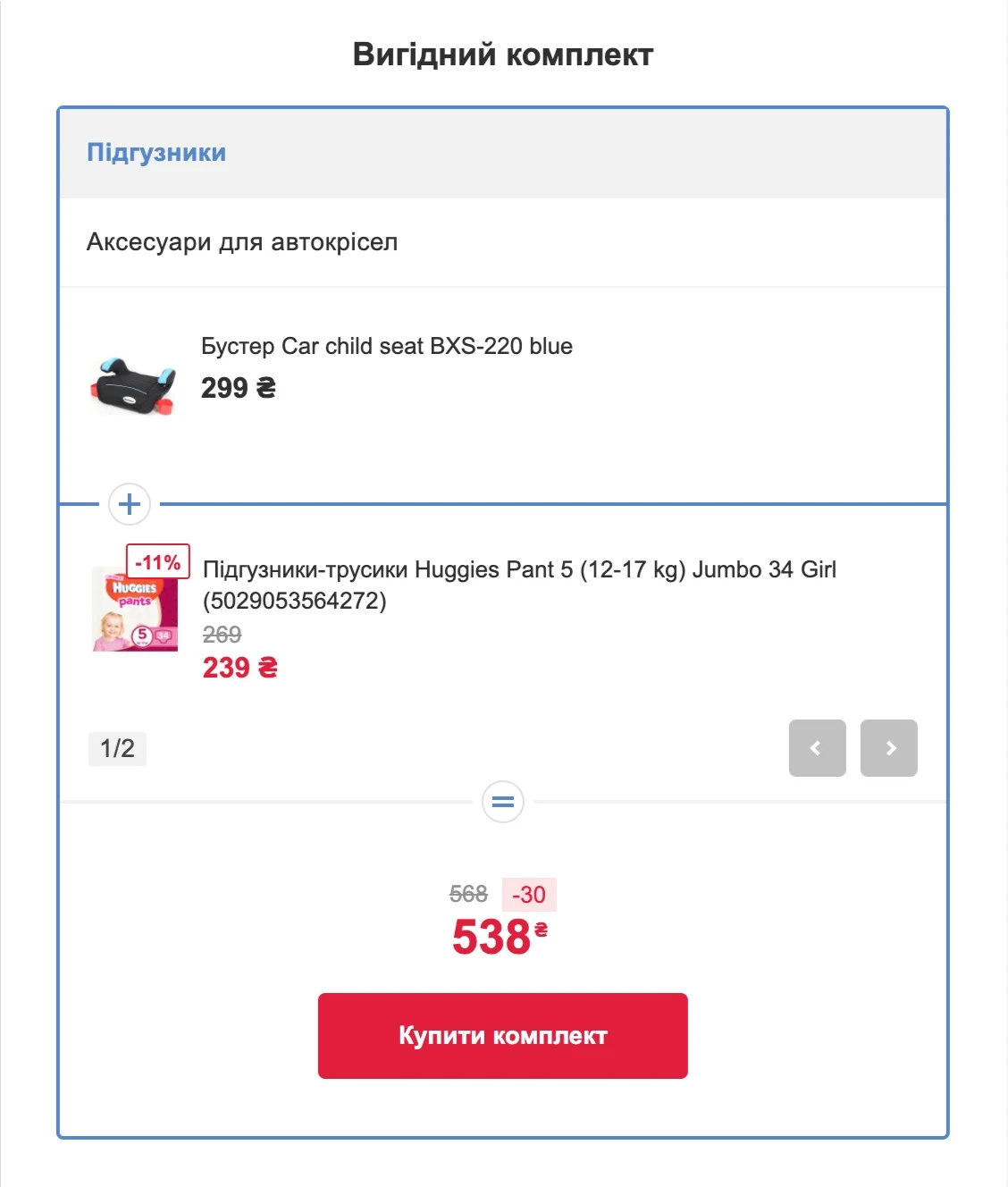
If you want customers to buy more products, try creating bundles that cost less than the same items bought separately. Bundling increases the value of the purchase for the customer. One great approach is to offer a set of products that together form a complete solution for a specific customer need. This strategy builds loyalty because it not only makes it easier to find the right products but also offers a better deal.
3. Recommended Products
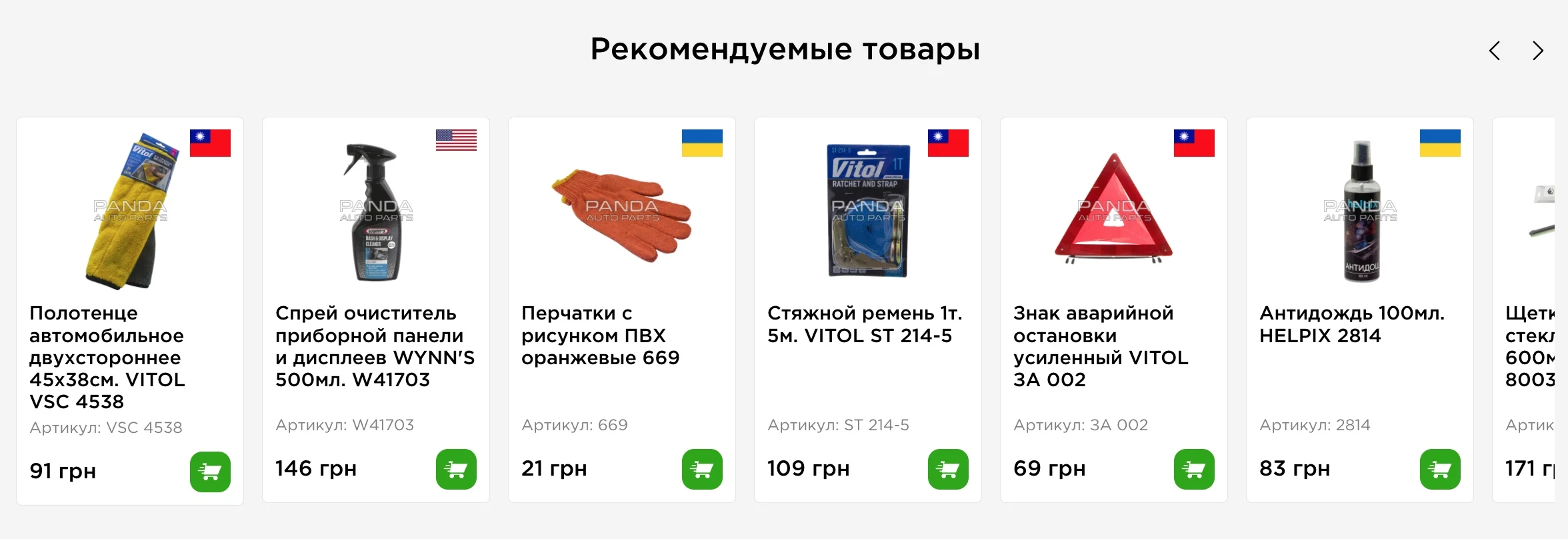
To draw a shopper’s attention to specific products on your site, you can add a “Recommended products” section. This block usually appears at the bottom of the product page or after the shopper adds an item to the cart, suggesting something that complements the item or a similar product from the same range. If the recommendations are relevant, the shopper will add them to the order.
4. Free Gift or Discount Above a Certain Order Value
This strategy works like the free shipping threshold. It is also very popular and great for increasing average order value. To get a free gift or an extra discount, the customer needs to spend a certain amount in the store. The gifts themselves usually cost the brand very little, but they are a strong incentive to increase the purchase amount.
5. Volume Discounts (Buy More, Save More)
This marketing strategy often comes with the slogan “Buy more, save more.” The customer can buy one item at the regular price, while several units come at a discount.
In other words, the more units the customer buys, the bigger the discount. This strategy is most often used for products with a limited shelf life. It is also very effective when a brand needs to sell a particular product quickly.
6. Upselling When a Product Is Added to the Cart
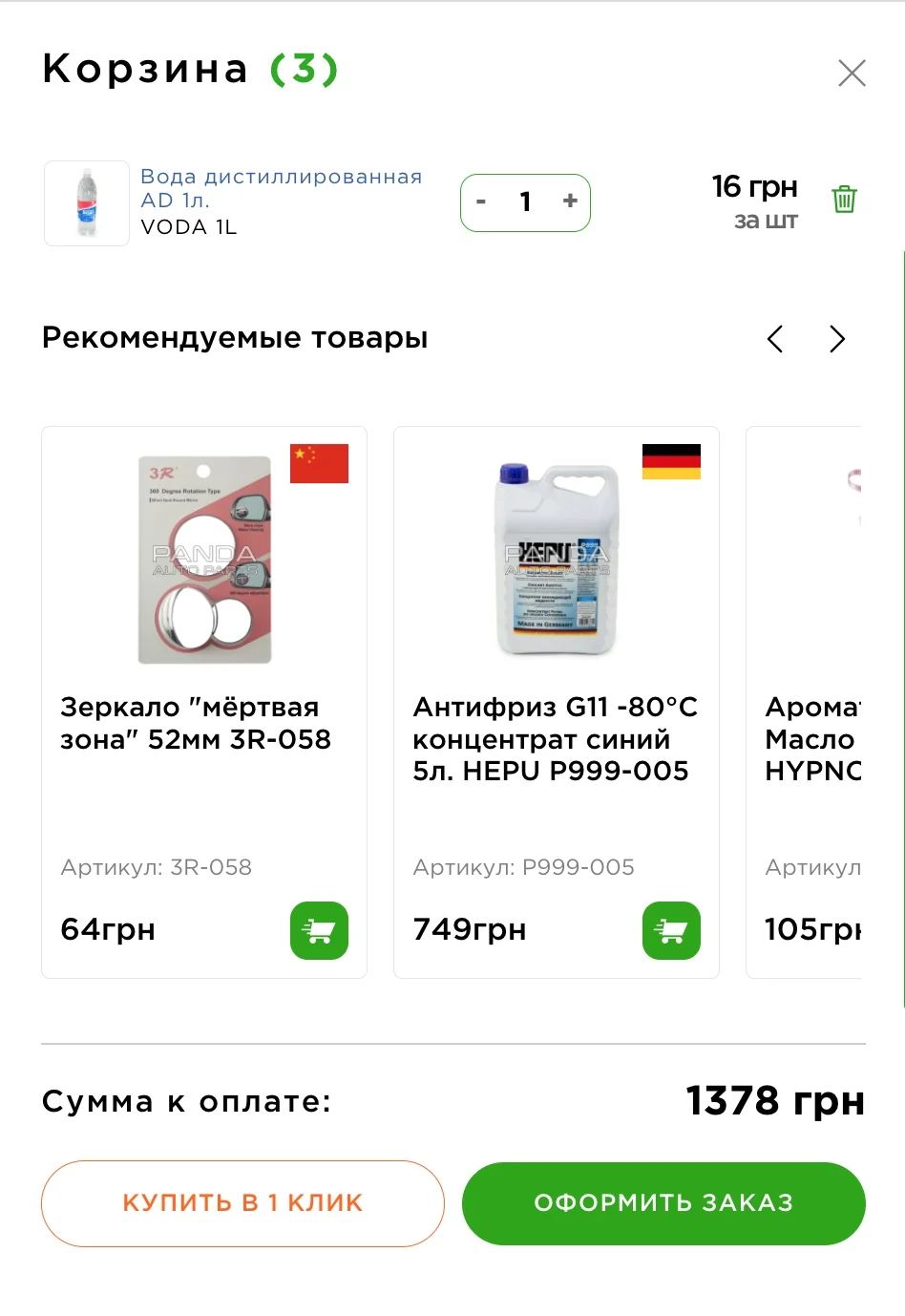
A simple but effective way to increase the number of items purchased is to suggest adding the same or a complementary product right after the customer clicks the “Add to cart” button. The offer usually opens in a modal window and, when set up properly, can be extremely effective.
7. Upselling on the Thank-You Page
This type of upsell appears on the order confirmation page, the “Thank you for your order!” page. The idea is to offer customers a discount on products that complement their current purchase. This encourages the customer to buy something else, since it guarantees a discount on the next purchase. As a result, you not only prompt another purchase but also build a relationship of trust, because there is always a nice bonus the customer will want to use. Important: set a time limit for deciding on the extra product, for example 20 minutes, depending on the type and specifics of your business. This makes it many times more likely that the customer will take advantage of the offer.
8. Post-Purchase Upselling in the Order Confirmation Email
This option is similar to the previous upsell. After placing an order, every customer receives an order confirmation email. These emails usually contain a short thank-you message, delivery information and the main order details.
To get the most out of this email, add a promo code with an attractive discount on the next purchase. The promo code should also be time-limited (valid for 24-72 hours). If the customer uses the offer, you get an extra order without spending money to win that customer back.
9. Order Insurance and Express Delivery

This way of increasing average order value involves selling various extras and add-on services for a small fee, which brings you some additional profit.
For example:
- order insurance – the customer is guaranteed delivery even if the order is lost through the carrier’s fault;
- express delivery – for an extra fee, the customer can get the product delivered as quickly as possible;
- gift wrapping – if the product is a gift, special packaging can be ordered for a small surcharge;
- and so on.
Admittedly, this is a small revenue increase, but even an extra $5-10 is always welcome.
10. Upselling Through Email Marketing
Email upselling is another effective way to re-engage customers and earn more from them. After a customer places an order, you can send automated email sequences that encourage additional purchases. Remember: the more personalized the emails, the less they feel like ads. Email marketing makes upselling a very effective strategy because you can reach the customer directly and spark the desire to keep shopping in your store. It is also a great way to get extra orders with almost no advertising spend.
Loyalty Program
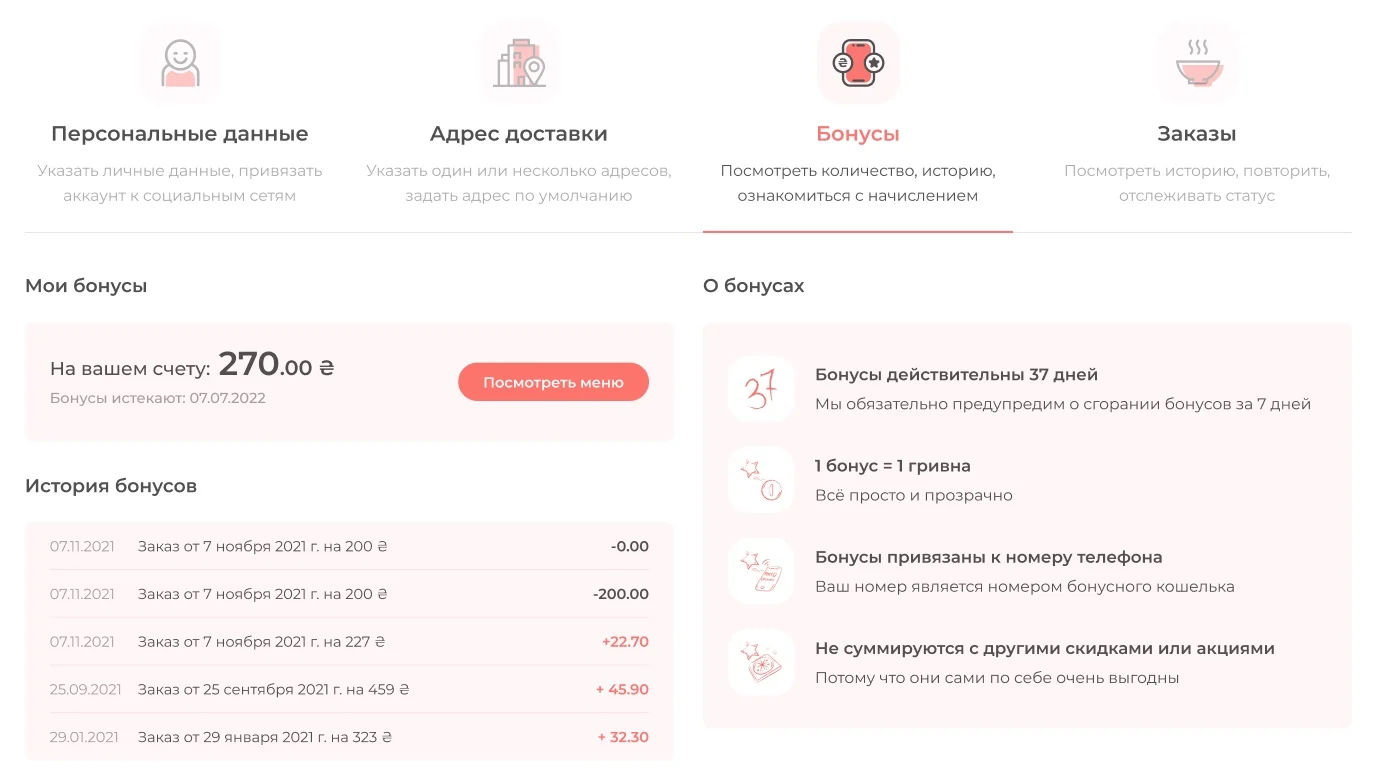
A loyalty program also drives repeat sales. Every time a customer orders from your store, they can earn points or discounts simply for being a regular customer. The advantage of a loyalty program is that it helps build a brand community; in other words, it encourages customers to come back to your site to shop. That is because they feel valued as shoppers, and the points or discounts work as a thank-you from the store. By encouraging repeat sales, you build a larger base of brand advocates who are more likely to order more products later. And you do it without spending extra money on acquiring new customers and orders.
Increasing Average Order Value in Your Online Store
Calculating average order value helps you assess how well your online store is performing. To increase order size, you can apply the strategies described in this article. The key is balance. Don’t try every method at once, and don’t constantly chase shoppers with notifications and ads. That only causes irritation and dissatisfaction, and you end up losing the customer. Remember that every online store needs an individual approach to its audience and should choose its own strategies for growing profit.
Want to start an ecommerce business? We are ready to take on a key part of the process to save you time, energy and money!
We build profitable online stores on Laravel and OpenCart, and we help grow existing ones!
Frequently Asked Questions About “How to Increase Average Order Value in Your Online Store: Best Strategies and Practical Tips”
Why increase average order value in your online store?
In most cases, profit grows as average order value grows. Clearly, the more an online store earns per order, the more profit the business makes overall. Once you see a positive shift in average order value, you can reinvest the funds in growing your business.
Net profit is often very low because of marketing costs, which makes marketing expensive and unprofitable. When average order value increases, however, you earn more from each customer and are more likely to cover your customer acquisition costs thanks to a higher margin in absolute terms.
What is the difference between upselling, downselling and cross-selling?
Upselling is a strategy that increases the order value by selling an alternative product with better features that justify a higher price. In other words, its main goal is to sell a more expensive, better version of the product than the one the customer originally intended to buy.
Downselling is the opposite of upselling. It makes sense to use it when a customer hasn’t decided to buy. In that case, you can offer an alternative product with basic features at a lower price. If price is the reason for hesitating, the customer will most likely accept your offer. The goal of this strategy is to keep the customer.
Cross-selling is similar to upselling, but here the order value grows by selling complementary products or services. While buying the main product, the customer is guided toward related items or services, such as a screen protector for a phone, a filter with engine oil or a mouse with a computer. In other words, complementary products make the purchase more useful and increase its value for the customer.
Related reading: how to prepare a store for a seasonal sale: codes, BOGO and giveaways; 12 places where an online store loses buyers; gamification in online business.
Leave your contact – we'll reply within one business day wherever suits you.