01
Process audit
We look at how leads, orders and money flow and where time gets lost.
When off-the-shelf CRMs don't fit your processes, we build your own: leads, deals, warehouse, finance and reports in one system. We connect it to your website, telephony, messengers and ERP so no one moves data by hand.
Interface illustration · sample data
We start with a process audit and launch the system module by module, so your team is using it within a few weeks.
We look at how leads, orders and money flow and where time gets lost.
Entities, statuses, roles, access rights and reports.
Sales pipelines, tasks, reminders, customer history.
Stock, reservations, picking, shipping, couriers.
Payments, debts, dashboards for the owner.
Website, VoIP, Telegram, email, ERP, banks.
Responsive web or an app for field staff.
Guides, team training, development after launch.
An off-the-shelf CRM works if your processes are standard and users are few. A custom one pays off when your team works around the system.
We'll show you CRM systems we've built and explain how a similar one would work for you. Message us and we'll send examples.
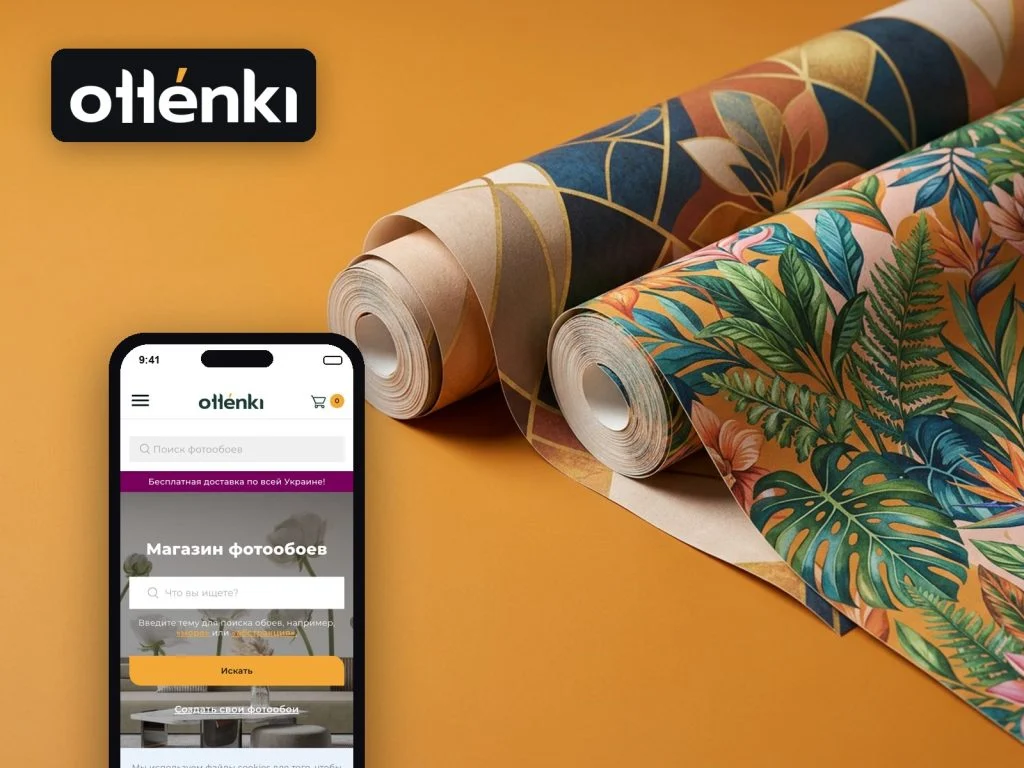
Ottenki: we set up a CRM, sales funnels and unified channels first, then built a photo wallpaper store with a price calculator.
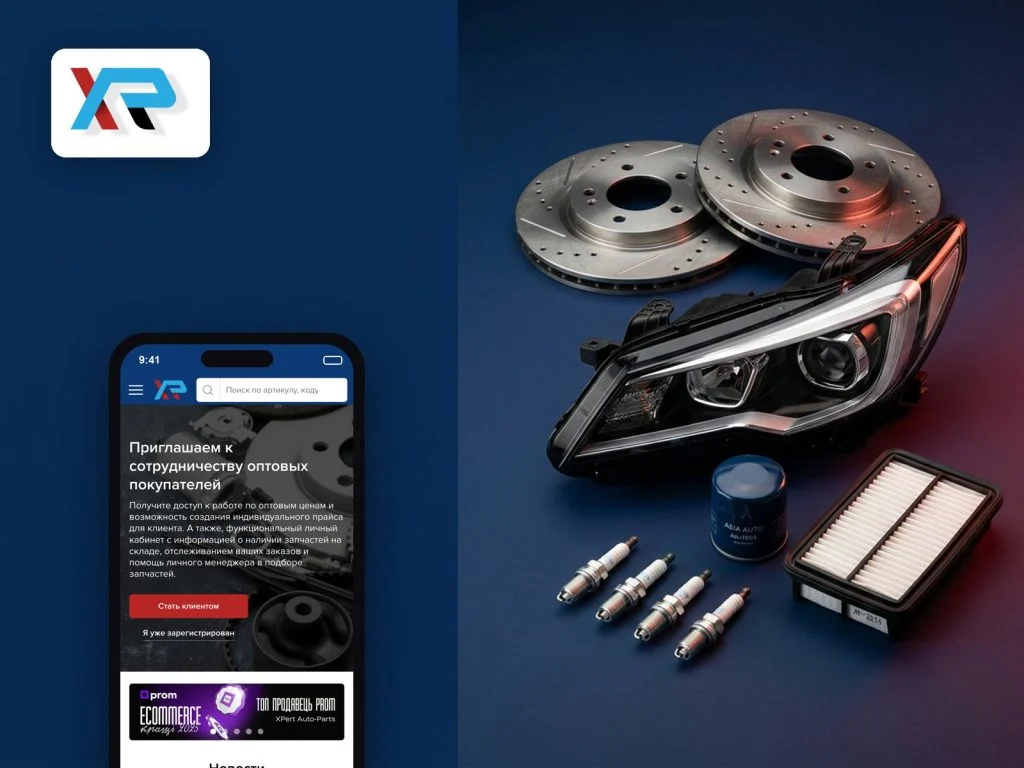
Wholesale and retail store for Chinese car parts: logo, design, Yii 2 development and integrations.
Leave your name and e-mail – we’ll reply by e-mail within one business day.
Cost depends on the number of modules, user roles and integrations, plus the volume of data to migrate. A sales pipeline with telephony is a very different scope from an ERP covering stock, finance and several warehouses. We estimate after a short brief and fix the budget for each stage, so the price of a stage does not change while it is in progress.
We launch in modules instead of one big release. After the audit and prototype, we launch one module first, and your team starts using it while we build the next ones by priority. The overall timeline depends on how many processes you want to cover and how complex the integrations are.
A ready-made CRM is a good choice when processes are standard and the team is small. Custom development wins when per-seat subscriptions add up, people keep data in spreadsheets anyway, or you need deep integration with ERP, warehouse and website. A hybrid also works: custom modules connected to your existing HubSpot or Salesforce account.
Yes. We connect CRM to SAP, Odoo, Xero, QuickBooks and other accounting and ERP platforms through their APIs or scheduled file exchange. Orders, customers, stock and payments sync automatically, so nobody retypes data and the numbers in reports match across systems.
Yes. We move customers, deals, orders and history from Excel, Google Sheets, legacy CRMs and accounting systems. Migration runs alongside your daily work, we verify the data after transfer, and the old system stays available until the whole team has switched over.
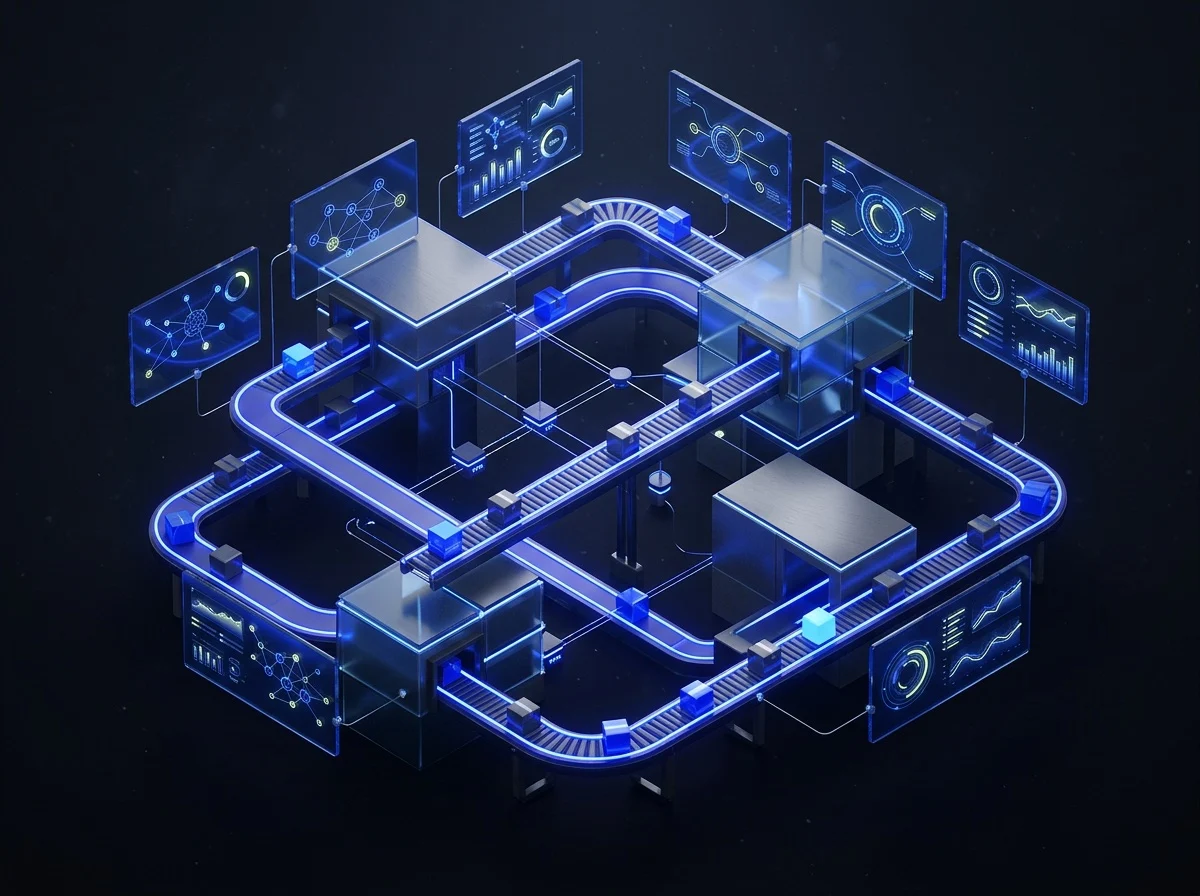 ↗04Warehouse automationReal-time stock, receiving, order picking, couriers, barcode scanners.
 ↗01Online storesCatalogs with thousands of products, filters, online payment, delivery, feeds to marketplaces and price aggregators.
 ↗09AI solutions and botsAI assistants and agents, smart search and content for your store, call analytics, Telegram bots. Trained on your data.
 ↗13Improvements and supportWe take over projects from other contractors, implement SEO specialists' specs and provide monthly support.
Custom CRM development makes sense when off-the-shelf tools stop fitting: orders live in spreadsheets and messengers, staff retype data between systems, and the owner pulls reports together by hand every evening. not the same builds CRM and ERP systems around your processes, so leads, deals, stock, payments and reports sit in one place and manual data entry disappears.
Every system is designed around your entities and statuses, not a vendor's template. Typical modules: lead and deal pipelines with tasks and reminders; orders, stock, reservations and shipping; payments, receivables and owner dashboards; roles and permissions so each employee sees only their part; client and partner portals. For field staff we add a mobile interface or a dedicated app. If inventory is the bottleneck, the system extends into warehouse automation with receiving, picking and barcode scanning.
A CRM is only as useful as the data flowing into it. We connect it to your website, IP telephony (Twilio, Aircall, RingCentral), email, WhatsApp, Telegram and Slack, accounting tools like Xero and QuickBooks, Stripe and open banking APIs, and ERP platforms such as SAP and Odoo. Already paying for HubSpot, Salesforce or Pipedrive? We can build custom modules on top of them instead of replacing them. One example is a B2B auto parts store integrated with ERP, where products, customers and orders sync automatically. For the technical side, read how ERP integration works in practice.
We start with a process audit: how requests, orders and money move through the company and where time is lost. Then we design entities, roles and reports and show key screens in a prototype before development begins. We launch one module first, the rest follows by priority. We migrate customers, orders and history from spreadsheets, legacy CRMs and accounting systems, train the team and stay on for support. We also take over systems built by other teams: speed them up, fix bugs, add modules.
A ready-made CRM works for standard processes and a handful of users. A custom one pays off when you pay for dozens of seats and the team still works around the system. Our comparison of custom vs ready-made CRM helps you decide.
Describe your task – within one business day we'll reply with questions and a rough timeline estimate.
We’ll reply within one business day with questions about the task and a preliminary timeline estimate.
We'll review your site or idea and tell you what to do first. We reply within one business day – by e-mail, Telegram or WhatsApp.