01
Requests and quotes
Rate calculator, website requests, statuses.

We build systems where requests, cargo, warehouses, routes and documents live in one place – and clients see their shipment status without calling a manager.
A system built around your processes, not processes bent to off-the-shelf software.
Rate calculator, website requests, statuses.
Routes, stages, owners, deadlines.
Receiving, storage, shipping, inventory.
Invoices, waybills, acts – generated automatically.
Tracking, documents, order history.
Margin per trip, load, delays.
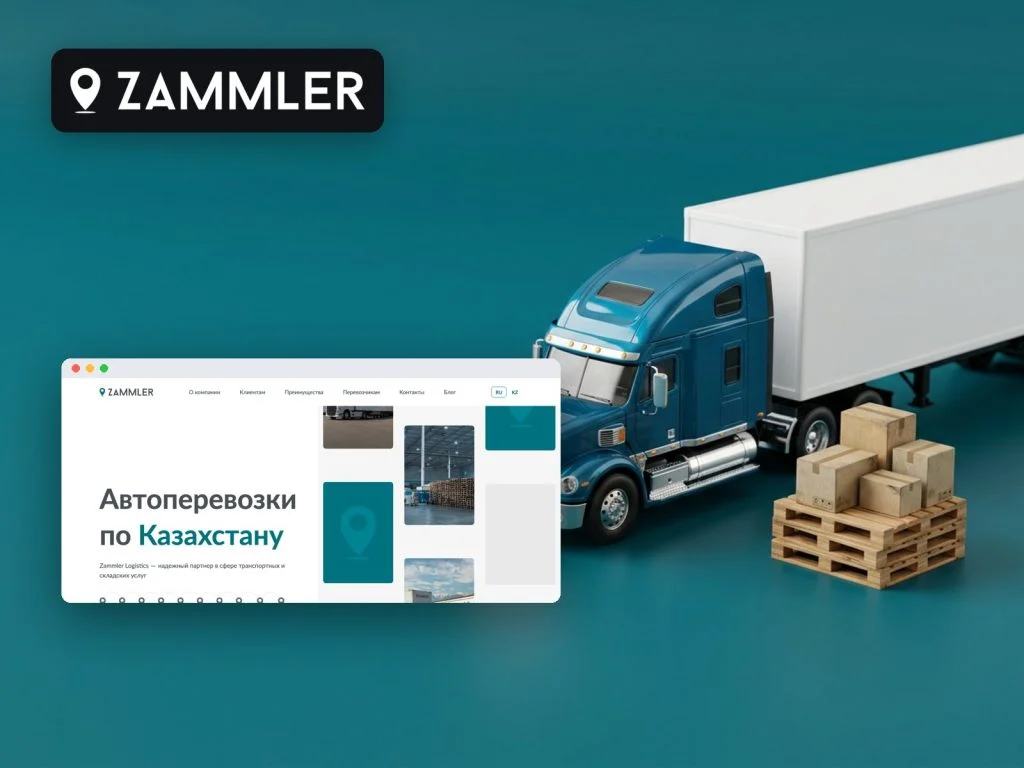
A standalone website for Zammler's road freight business: services for shippers, a carrier application form, a pickup map and a blog.
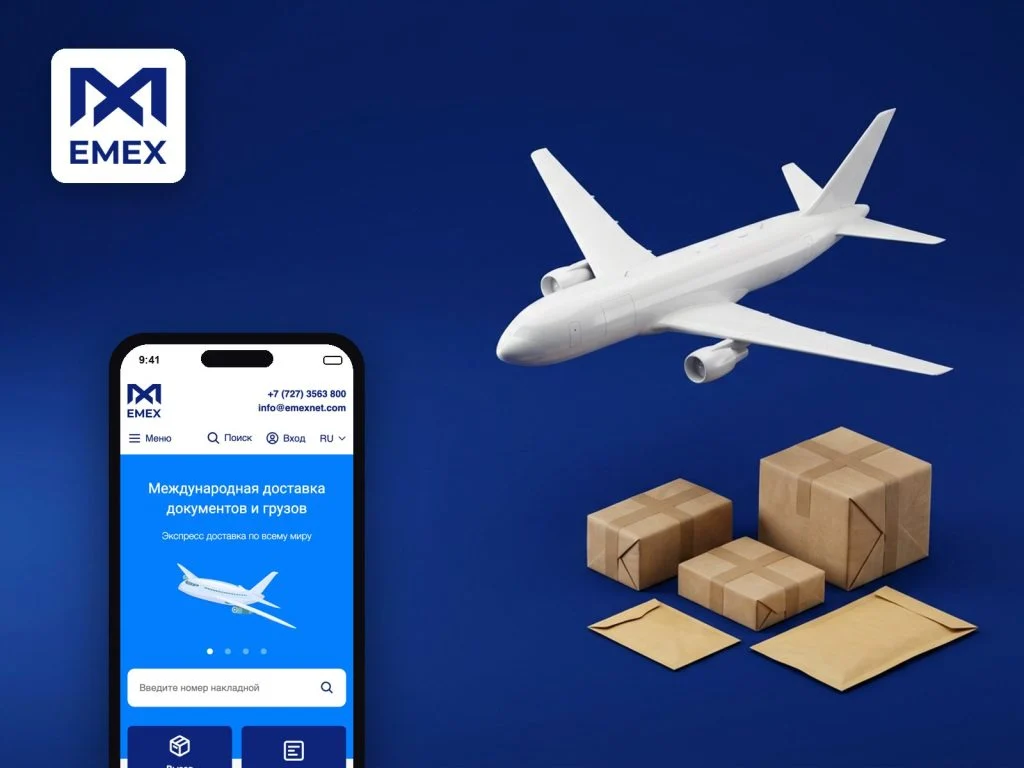
Corporate website for EMEX express delivery: design, development, cost calculator, courier booking and tracking.
«First they automated our business processes, then built the website. Quality and design are top-notch, and they don’t disappear after launch.»
You know in advance what you will get, what it costs and when it will be ready.
We sign a contract and a non-disclosure agreement before work begins.
The stage price does not change during work. New tasks only after approval.
A staging server you can access: see what's done without waiting for the finish.
We hand over the source code, documentation and all access. The project is not tied to us.
After launch, we fix bugs found within the delivered scope for free.
We stay in touch: improvements, updates and growth, monthly or per task.
Leave your name and e-mail – we’ll reply by e-mail within one business day.
Cost depends on the modules you need (quotes, TMS, warehouse, documents, client portal), the number of user roles and the integrations with carriers, GPS and accounting. Many companies start with one core module and expand. We give a fixed estimate per stage after reviewing your processes.
Off-the-shelf TMS works if your processes match its logic. Custom software pays off when you have specific pricing rules, mixed services such as freight plus warehousing, or need deep integration with your own systems. A custom system grows with you and you own the code.
Carriers like DHL, UPS and FedEx provide APIs for rates, label creation and tracking. We connect them so labels are created from the shipment record and status updates flow back automatically. Clients and managers then see one status feed regardless of carrier.
Yes. We map your spreadsheets and old system, clean duplicates and import clients, orders and history. Usually both systems run in parallel for a short period so the team can verify data before the switch.
At minimum: request intake with quote calculation, carrier assignment, shipment stages with deadlines, document generation and margin reports. A client portal with tracking and documents is the next step that noticeably reduces support load.
↗03CRM and ERP systemsCRM built around your processes: leads, deals, roles, reports. Connected to your website, telephony and accounting.↗04Warehouse automationReal-time stock, receiving, order picking, couriers, barcode scanners. ↗02Mobile appsiOS and Android apps built with Flutter: one codebase, fast launch and updates.
 ↗09AI solutions and botsAI assistants and agents, smart search and content for your store, call analytics, Telegram bots. Trained on your data.
Logistics software development makes sense when your team spends hours copying data between spreadsheets, email and carrier portals. We build systems that fit your processes instead of forcing them into a boxed product: quotes, shipments, warehouse, documents and reporting in one place. The result is faster order processing, fewer errors in paperwork and clients who check status themselves instead of calling.
A rate calculator on the website turns inquiries into structured requests. Each shipment has a route, stages, owners and deadlines, so dispatchers see what is late before the client does.
Invoices, bills of lading and delivery acts are created from shipment data, signed via DocuSign if needed and attached to the client record.
Freight forwarders manage requests, carriers and paperwork. Fulfillment and 3PL operators need receiving, storage, picking and stock per client, which we cover with a warehouse management system. Courier services get route planning, driver apps and real-time statuses. Import operations track international legs and customs steps.
Underneath sits custom CRM and ERP development: roles, permissions, margin per trip, load and overdue reports. We integrate DHL, UPS, FedEx, DPD, GLS and other carrier APIs, GPS platforms like Samsara or Webfleet, accounting in SAP, Odoo, Xero or QuickBooks, plus Slack and WhatsApp notifications. Read how ERP integration works if your back office is already in place.
Clients log in to see live shipment status, download documents and review order history. Fewer status calls free your managers for sales.
A logistics website should generate qualified requests, not just describe services. We built the website for Zammler Logistics, a trucking and warehousing operator in Kazakhstan, and a site for EMEX, the FedEx Express representative in Kazakhstan. Data from Excel or a legacy system is migrated with clients, orders and history. We confirm the first working release timeline after a brief; we confirm after a brief.
Describe your task – within one business day we'll reply with questions and a rough timeline estimate.
We’ll reply within one business day with questions about the task and a preliminary timeline estimate.
We'll review your site or idea and tell you what to do first. We reply within one business day – by e-mail, Telegram or WhatsApp.