01
Search by vehicle
VIN, make, model, year, engine – "My garage" for regular customers.
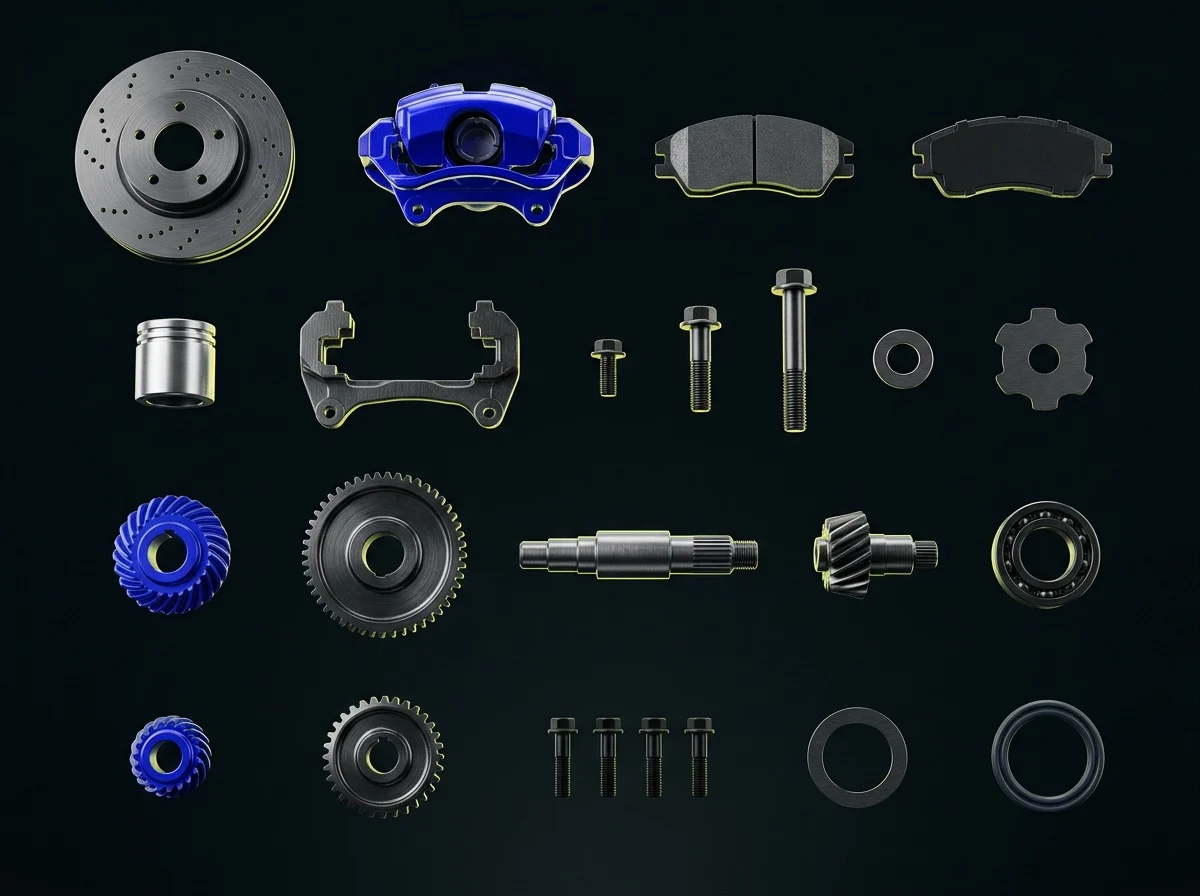
We build auto parts stores where buyers find a part by VIN or make in a minute, and managers don't reconcile price lists by hand: catalogs, cross-references, suppliers and warehouses in one system.
Everything without which a parts store loses buyers and managers' time.
VIN, make, model, year, engine – "My garage" for regular customers.
Integration with manufacturer catalogs and supplier data.
OEM numbers and alternatives with a clear price difference.
Scheduled import and updates, rule-based markups.
Availability and delivery time for each warehouse and supplier.
For repair shops and wholesalers: custom prices, history, documents.
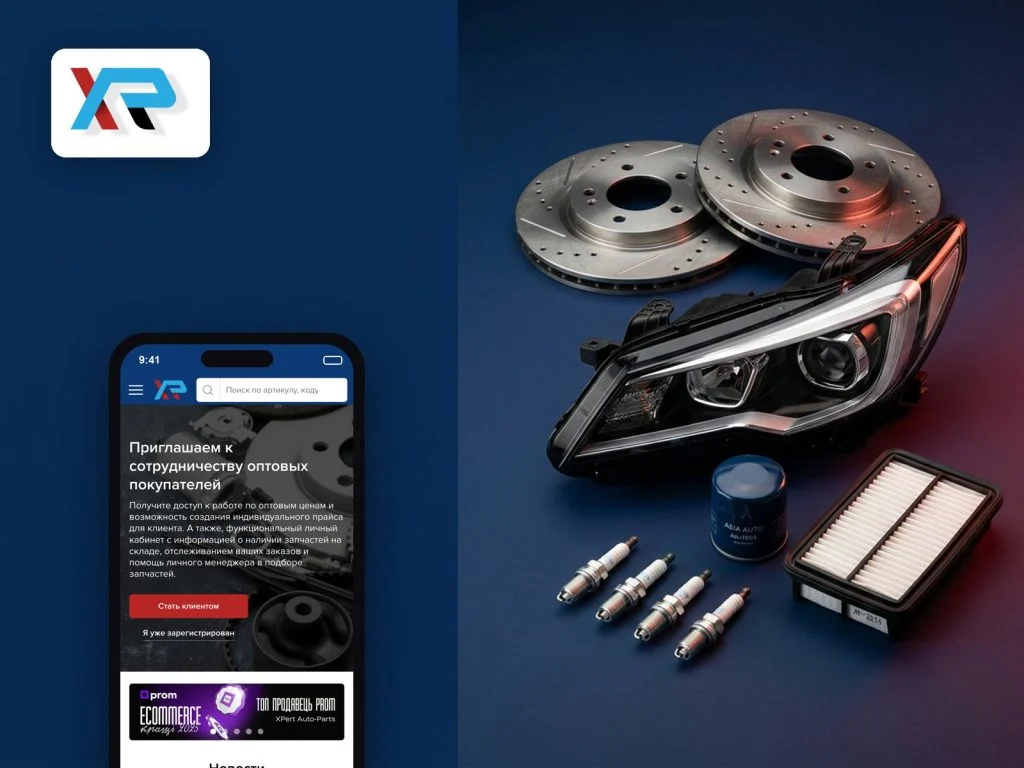
Wholesale and retail store for Chinese car parts: logo, design, Yii 2 development and integrations.
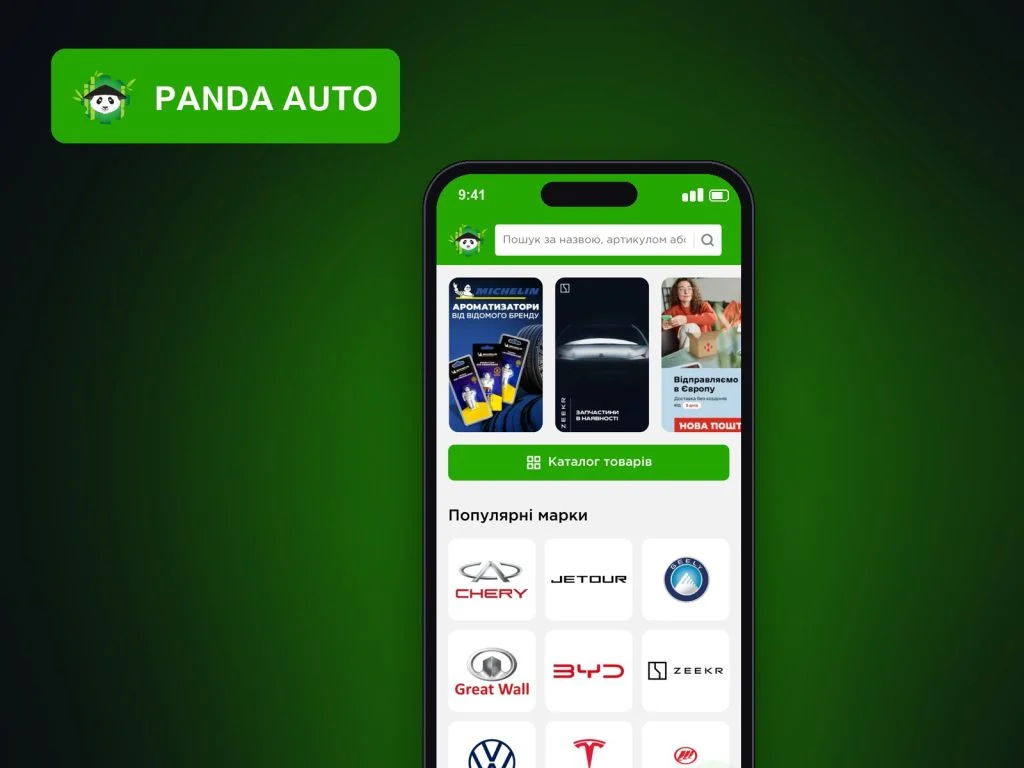
Online auto parts store for Chinese cars and EVs: built from scratch, then redesigned around five times.
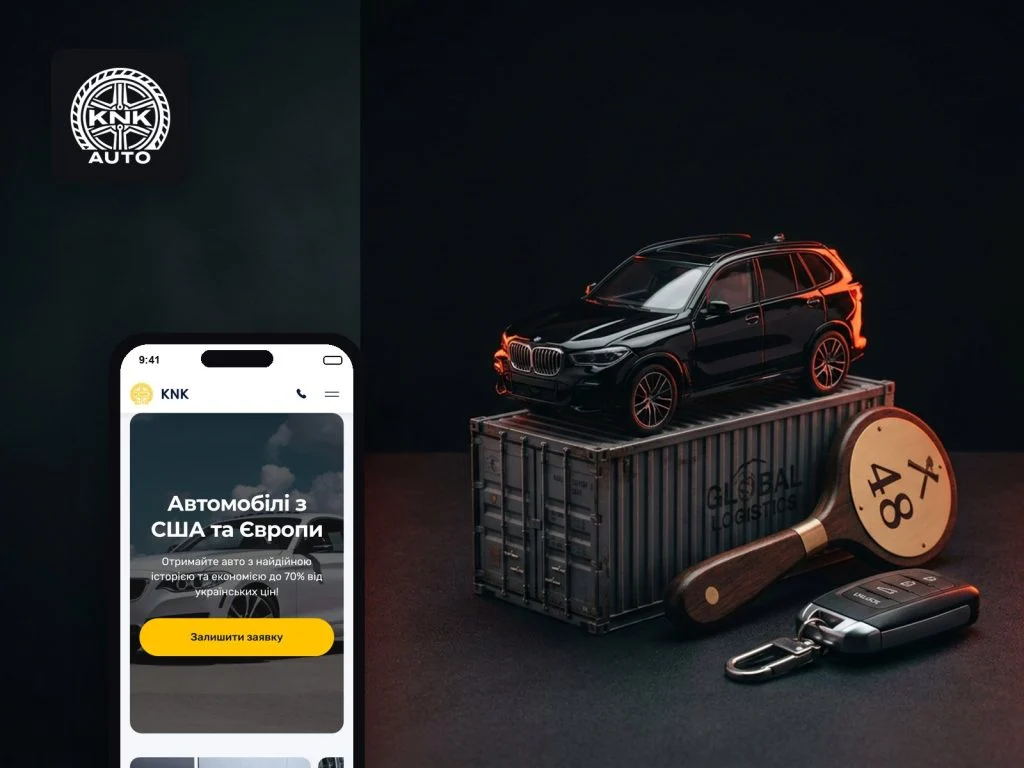
A catalogue of cars from European and US auctions: design, development, proxy scrapers for EU sites, IAAI and Copart APIs.
«First they automated our business processes, then built the website. Quality and design are top-notch, and they don’t disappear after launch.»
You know in advance what you will get, what it costs and when it will be ready.
We sign a contract and a non-disclosure agreement before work begins.
The stage price does not change during work. New tasks only after approval.
A staging server you can access: see what's done without waiting for the finish.
We hand over the source code, documentation and all access. The project is not tied to us.
After launch, we fix bugs found within the delivered scope for free.
We stay in touch: improvements, updates and growth, monthly or per task.
Leave your name and e-mail – we’ll reply by e-mail within one business day.
Start with reliable fitment data: VIN and year-make-model search, manufacturer catalog data and clear OEM-to-aftermarket cross-references. Then add live stock and delivery times from each supplier, simple checkout and mobile-first pages. Trust comes from correct parts arriving on time, so data quality matters more than visual effects.
The VIN is decoded into make, model, year, engine and other specs through a decoder or catalog API. The store then filters the catalog to parts that match that exact configuration. Saving the vehicle in a customer account means the next search starts already filtered, which speeds up repeat orders.
From manufacturer catalogs, supplier price lists and APIs, or your own database. We choose the source after reviewing your range: OEM-only or niche stores often do well with manufacturer data, while a wide aftermarket catalog needs a consolidated cross-reference database.
The cost depends on catalog size, the number of suppliers and warehouses, B2B features, and integrations with ERP, marketplaces and carriers. A retail store with one catalog is a different scope from a multi-supplier wholesale portal. We give a fixed estimate per stage after a short brief.
Yes. Each supplier feed loads automatically by schedule via API or file, with its own markup rules. The store shows availability and delivery time per source, and the customer sees the best options first. You can add new suppliers later without rebuilding the store.
 ↗01Online storesCatalogs with thousands of products, filters, online payment, delivery, feeds to marketplaces and price aggregators.
 ↗04Warehouse automationReal-time stock, receiving, order picking, couriers, barcode scanners.↗03CRM and ERP systemsCRM built around your processes: leads, deals, roles, reports. Connected to your website, telephony and accounting.↗06CRO – conversion growthWe find where the funnel loses customers, rework the product page, cart and checkout, and verify with A/B tests.
An auto parts ecommerce website wins when a buyer finds the right part in under a minute and your managers stop reconciling price lists by hand. We build stores where catalogs, cross-references, suppliers and warehouses live in one system, so customers order with confidence and your team handles more orders without growing headcount. It is the same online store development process we use for other retailers, tuned for the realities of the parts business.
Customers search by VIN or by year, make, model and engine. Returning buyers keep their vehicles in "My garage" and see only parts that fit. Wrong-fitment orders are one of the main reasons for returns, so accurate lookup protects both margin and reviews.
We integrate manufacturer catalogs and supplier data, map OEM numbers to aftermarket alternatives and show the price difference clearly. Tires and wheels get their own filters by size and vehicle.
Price lists from suppliers (API, CSV, XLS) load on a schedule, markups apply by rules, and the store shows availability and delivery time per warehouse and supplier. When a feed has no API, we set up supplier price parsing. Stock and order picking connect to warehouse automation, and orders, customers and documents sync with your accounting system through CRM and ERP integration with SAP, Odoo or Xero.
Sales channels extend beyond the site: Google Merchant, Amazon, eBay and Allegro feeds, payments via Stripe, PayPal or Klarna, shipping via DHL, UPS or InPost.
Repair shops and resellers get their own accounts with personal pricing, quick order by part number, order history and invoices. That is how we built the B2B auto parts store for Chinese cars integrated with ERP on Laravel: products, clients and orders flow between the site and the back office without manual re-entry.
Have a store already? We migrate the catalog and protect existing search rankings during the move. Launch timelines depend on catalog size and the number of integrations; we give an estimate after a short brief.
Describe your task – within one business day we'll reply with questions and a rough timeline estimate.
We’ll reply within one business day with questions about the task and a preliminary timeline estimate.
We'll review your site or idea and tell you what to do first. We reply within one business day – by e-mail, Telegram or WhatsApp.