Contents · 11
- What Is Gamification in Ecommerce?
- Benefits of Gamification
- Key Considerations When Implementing Gamification
- Define Your Target Audience
- Set Clear Goals
- Analyze Your Competitors
- Set Up the Game Mechanics
- Choose the Best Places for Gamification
- Keep It Intuitive for Users
- Analyze the Results
- Bring Joy Through Gamification

As the number of online businesses keeps growing, standing out from the competition becomes vital. Gamification is an effective way to achieve this: it increases customer loyalty and keeps shoppers coming back to your online store.
Read on to learn about the benefits of this powerful marketing tool and how to integrate it into your online business.
What Is Gamification in Ecommerce?
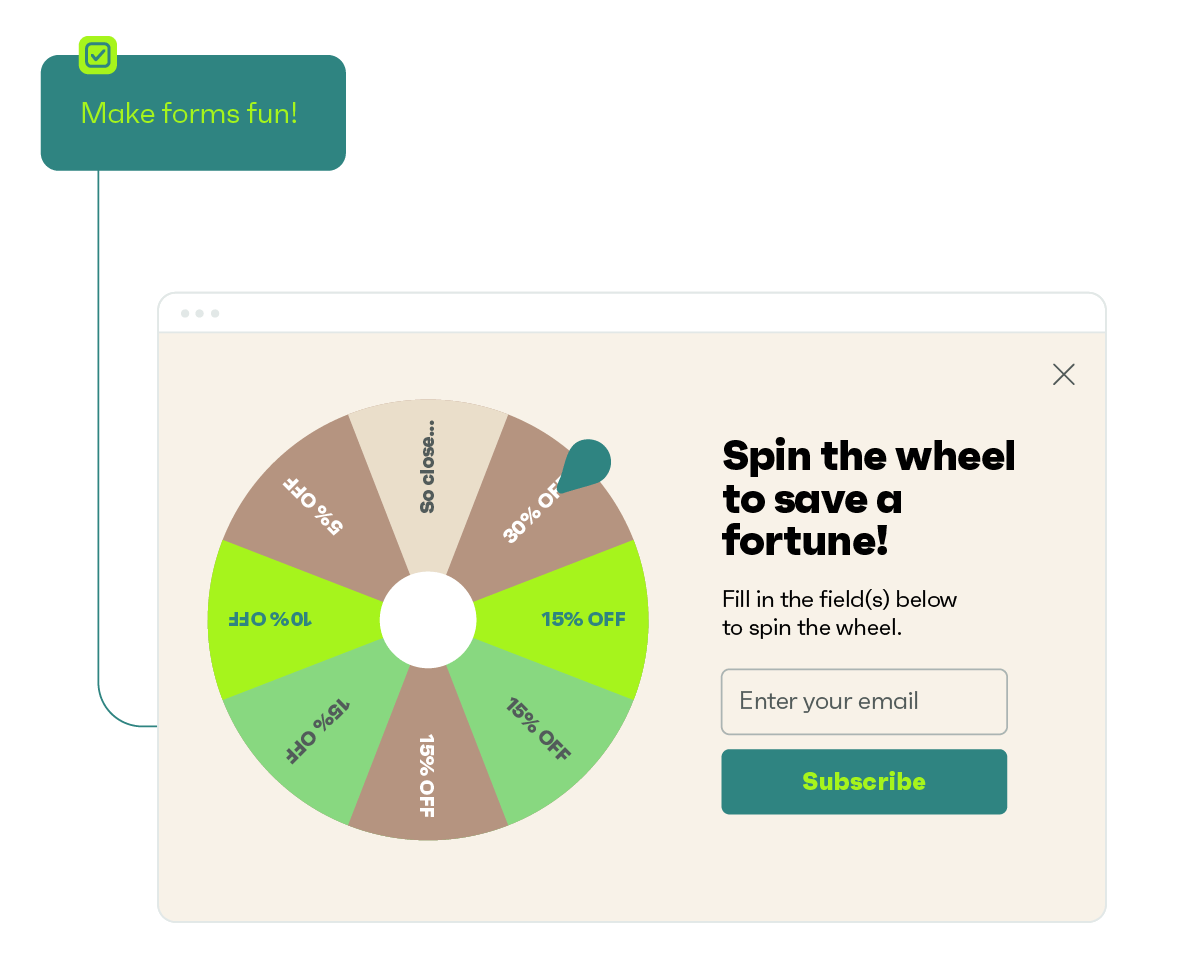
Gamification is a digital marketing technique that turns the shopping process into a game to capture the attention of potential customers and strengthen their loyalty. It motivates users to take specific actions (for example, subscribing to a newsletter) and reach specific goals (for example, earning a 30% discount on future purchases).
With gamification, users not only take part in individual activities but can also join “team games.”
Benefits of Gamification
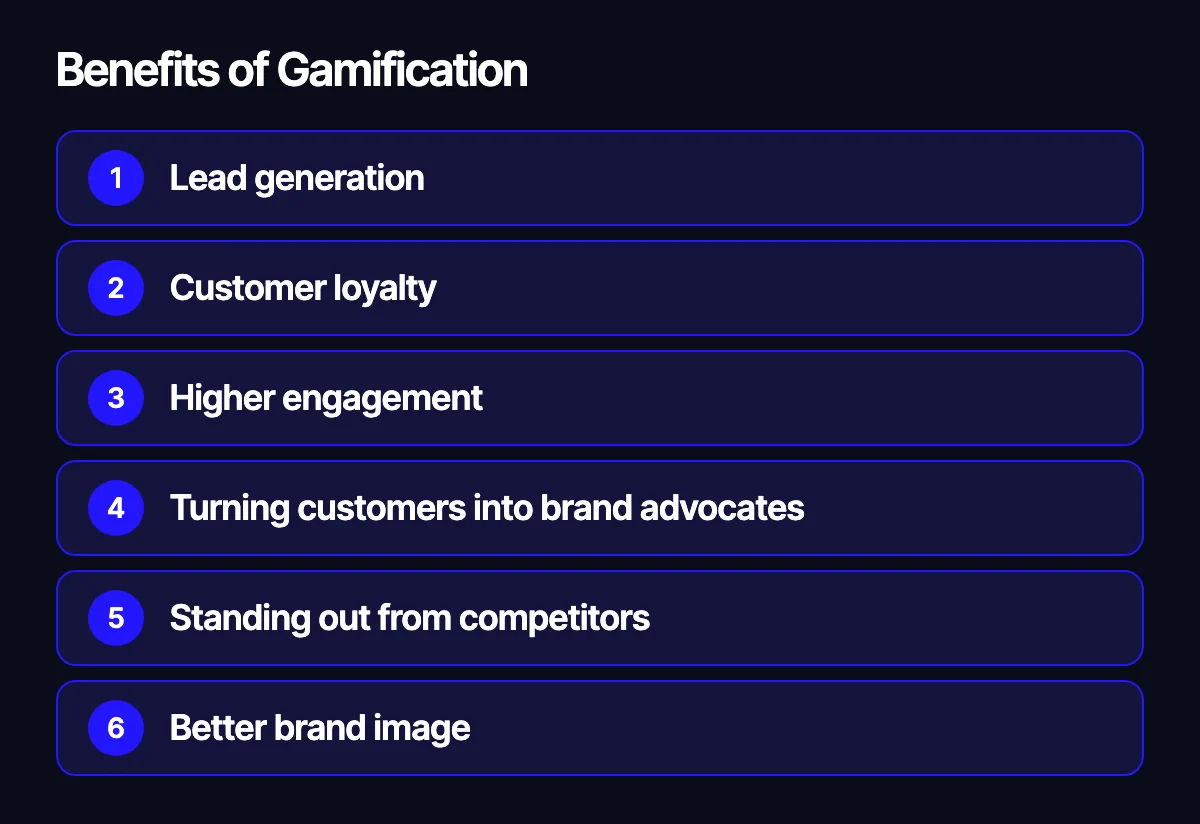
Adding game elements to an online store brings many benefits that improve the customer experience and business performance. Here are some key reasons to implement gamification on your website:
- Lead generation: Well-designed gamification can help you increase conversion and attract more potential customers who may become regular buyers.
- Customer loyalty: Gamification creates a unique, enjoyable shopping experience tied to your brand values, which helps you attract and retain customers.
- Higher engagement: Engaging users with your brand through games makes them more committed and active participants.
- Turning customers into brand advocates: A unique shopping experience turns customers into fans of your brand who are happy to recommend your products and services to others.
- Standing out from competitors: As competition grows, gamification helps your brand stand out from the crowd.
- Better brand image: Gamification makes your brand more appealing to users, increasing its perceived value and attractiveness.
- Greater virality: The right game mechanics encourage users to compete and share their achievements with others, which helps your content spread.
- Improved SEO: Gamification adds fresh, engaging content that improves user interaction with your site and time on site, which in turn has a positive effect on your search rankings.
Key Considerations When Implementing Gamification
Now that you understand the benefits of gamification, it’s time to integrate it into your online store. Pay attention to the following important points:
Define Your Target Audience
First of all, we strongly recommend clearly defining your target audience. This will help you better understand what motivates them and tailor your gamification strategy to the needs of each customer group. Different age groups and interests may call for different game mechanics and design, since not every game will appeal to everyone equally.
Set Clear Goals
Once you have defined your target audience, set clear short-, medium- and long-term goals. For example, you may want to increase brand awareness on social media or grow your subscriber base. There is a wide variety of game mechanics that can help you reach different goals, from simply entertaining users to attracting new customers and strengthening the loyalty of existing ones.
Analyze Your Competitors
Study which gamification techniques your competitors use and what results they have achieved. This can be a great source of inspiration. Based on what you learn, you can put together a set of best practices to use when building your own strategy.
Set Up the Game Mechanics
Now that you have defined your target audience and goals, set up the game mechanics that best fit your online business. Loyalty programs, prize draws and contests are popular options. Offering clear benefits and incentives will motivate users to take an active part.
You can run the campaign yourself, which takes considerable effort (including coding, marketing, analysis and picking winners), or use platforms that make the process simpler and faster (such as ViralSweep, Gleam and Woobox).
Choose the Best Places for Gamification
Gamification elements can be integrated at different stages and touchpoints of the customer journey. Choosing the right places for gamification is critical and should align with your business goals.
For example, on social media, game content can boost engagement and attract new potential customers. If game elements are built into your website, strategic placement can significantly improve the user experience and reduce cart abandonment and bounce rates.
Other channels for gamification include email newsletters, blogs, pop-ups and external platforms.
Keep It Intuitive for Users
To keep users motivated, the game should be intuitive and the rules simple. Avoid unnecessary friction, such as overly long forms, which can get in the way of the game, waste users’ time and drive up bounce rates. Always keep your goals in mind and collect only the information you really need.
Analyze the Results
To evaluate the success of your gamification strategy, measure the results after a set period. Check whether traffic to your site has grown, whether cart abandonment has dropped, what your click-through rate is and whether your subscriber count has increased. Continuously monitoring the performance of your gamification strategy lets you see whether you have reached your goals and learn from mistakes to succeed in the future.
Bring Joy Through Gamification
Keep in mind that gamification is not always about direct sales. It gives users positive emotions from playing and the chance to win something valuable. Gamification can pay off even if the user doesn’t make a purchase. What matters is that users remember your website or online store as a place where they enjoyed playing the game.
Related reading: ways to increase average order value; when to build a custom CRM instead of an off-the-shelf one; what drives the cost of a Flutter app.
Leave your contact – we'll reply within one business day wherever suits you.