01
Requests and lots
RFI, RFQ and tenders with lots, specifications, deadlines and attachments.

We build tender platforms, e-procurement systems and B2B marketplaces where buyers publish requests in minutes and suppliers bid without e-mail threads and spreadsheets: requests, bids, comparison and documents in one system.
Everything a procurement team needs to buy faster, more transparently and with a wider supplier base.
RFI, RFQ and tenders with lots, specifications, deadlines and attachments.
Sealed bids, reverse auctions and rounds of negotiation with a full history.
Price, delivery, payment terms and supplier rating in one comparison table.
Registration, company verification, categories, documents and qualification.
Approval workflows, user rights and an audit trail for every action.
E-mail and Telegram alerts, plus collection of tenders from external sources.
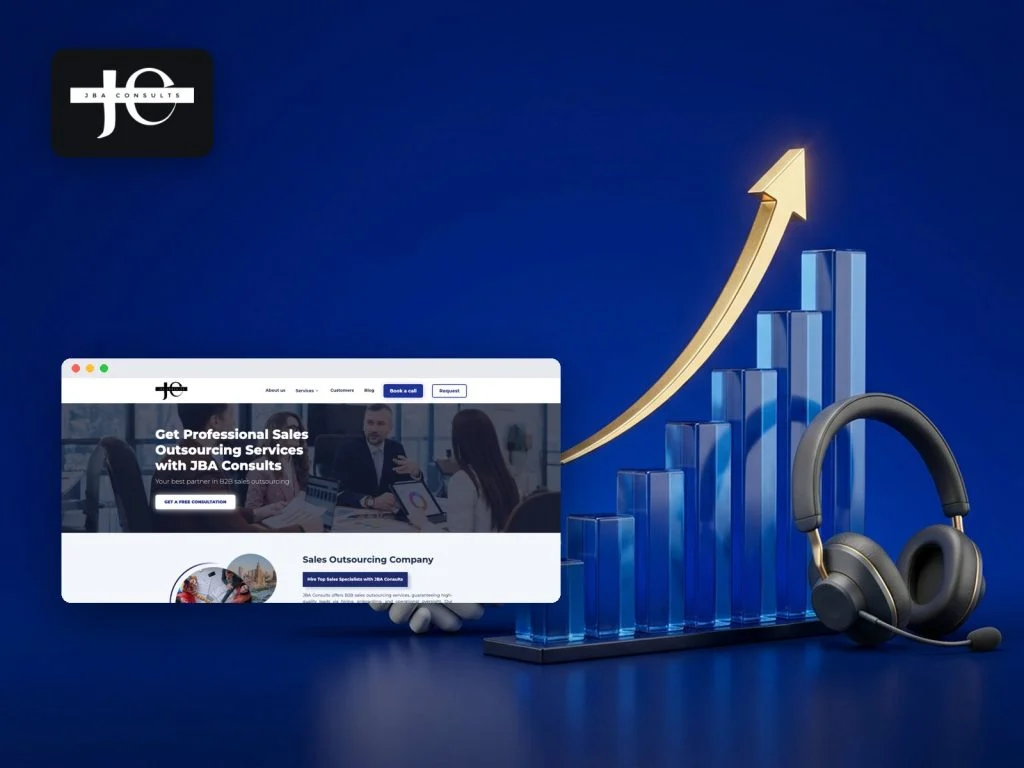
English-language WordPress website built from the client's design: custom theme, service pages, HubSpot and Calendly integrations.
«First they automated our business processes, then built the website. Quality and design are top-notch, and they don’t disappear after launch.»
You know in advance what you will get, what it costs and when it will be ready.
We sign a contract and a non-disclosure agreement before work begins.
The stage price does not change during work. New tasks only after approval.
A staging server you can access: see what's done without waiting for the finish.
We hand over the source code, documentation and all access. The project is not tied to us.
After launch, we fix bugs found within the delivered scope for free.
We stay in touch: improvements, updates and growth, monthly or per task.
Leave your name and e-mail – we’ll reply by e-mail within one business day.
Start with the model: a private procurement portal for one company, an open B2B marketplace or an aggregator of public tenders. That defines the roles, the bidding mechanics and the monetization. The first release usually covers requests, supplier accounts, bidding and comparison; auctions, ratings and ERP integration come next.
In an RFQ suppliers submit sealed quotes once, and the buyer compares price, terms and quality. In a reverse auction suppliers see the current best price and lower their bids in real time until the timer ends. Many platforms support both and let the buyer choose per lot.
Yes. Where sources offer APIs or open data, such as the EU's TED, we connect them directly; otherwise we set up scrapers that respect the source's terms. Tenders are normalized, classified by category and region and sent to users as alerts that match their filters.
The cost depends on the number of roles, bidding types, approval workflows, integrations with ERP and registries, and whether the platform is private or public. A procurement portal for one company and a multi-sided marketplace are very different scopes. We give a fixed estimate per stage after a short brief.
Sealed bids stay hidden until the deadline, every action is logged in an audit trail, and roles limit who can see what. We add two-factor authentication, encrypted document storage and server-side timers for auctions. Clear rules and a transparent history are what make suppliers trust the platform.
 ↗05Portals and web servicesBooking services, tender platforms, client portals, city and industry portals.
 ↗03CRM and ERP systemsCRM built around your processes: leads, deals, roles, reports. Connected to your website, telephony and accounting.
 ↗10Scrapers and data collectionCollecting prices, products and data from websites and marketplaces, competitor monitoring, exports to your site or spreadsheets.
 ↗09AI solutions and botsAI assistants and agents, smart search and content for your store, call analytics, Telegram bots. Trained on your data.
Tender platform development pays off when a buyer publishes a request in minutes, suppliers bid in one place and the final decision is backed by a transparent comparison instead of a forwarded spreadsheet. We build private procurement portals, open B2B marketplaces and tender aggregators where requests, bids, documents and approvals live in one system. Under the hood it is the same approach as our web portal development, tuned to the rules and roles of procurement.
A good procurement platform serves both sides. Buyers want speed, control and a clear audit trail for every decision. Suppliers want a simple way to find relevant requests, understand the requirements and submit a bid without learning a complicated interface. We design the user journeys for each role first, then build the features around them, so the platform is actually used instead of being bypassed by e-mail.
Buyers create requests from templates: specification, quantities, delivery terms, deadlines and attachments. Large purchases split into lots, so different suppliers can win different parts. The platform supports the mechanics procurement teams actually use:
Every change, question and answer is stored in the history of the request, which removes disputes about who was told what and when.
Suppliers register, describe their company, choose categories and regions and upload documents. Verification can be automatic through company registry APIs or manual by the buyer's team. Qualified suppliers receive invitations to relevant requests, and new ones find opportunities through search and alerts.
Ratings based on delivery, quality and responsiveness help buyers make decisions and motivate suppliers to keep their profiles and performance up to date.
Bids land in a comparison table with price, currency, delivery time, payment terms and rating, with the best values highlighted. Approval workflows route the winning bid through procurement, finance and management with comments and deadlines. Contracts can be signed through DocuSign or a local e-signature provider.
Requests and results sync with SAP, Odoo, Microsoft Dynamics or your accounting system through CRM and ERP integration, so purchase orders don't have to be re-entered by hand.
For aggregators and sales teams that hunt for contracts, we collect tenders from public procurement portals and corporate sites. Open APIs and data sets are connected directly; where they don't exist, we build web scrapers for tender data. Tenders are deduplicated, classified by category, region and budget and delivered to users by e-mail, Telegram or in the dashboard.
AI helps read long tender documentation: we set up AI assistants that summarize requirements, extract deadlines and qualification criteria and match tenders with a supplier's profile. The final decision stays with people.
In an open marketplace both sides are clients: buyers post requests, suppliers pay for access, featured listings or a commission on deals. We design the monetization, subscription plans and payments through Stripe or PayPal, as well as the onboarding flows that make both sides come back.
A related example is the B2B sales platform for an international company, where we built catalogs, client accounts and order flows for business buyers.
Procurement data is sensitive, so we use role-based access, two-factor authentication, encrypted storage of documents, audit logs and server-side timers for auctions. Timelines depend on the bidding types and integrations; we estimate after a short brief. After launch we stay on technical support, develop the platform in sprints and help attract suppliers and buyers through SEO and advertising.
Describe your task – within one business day we'll reply with questions and a rough timeline estimate.
We’ll reply within one business day with questions about the task and a preliminary timeline estimate.
We'll review your site or idea and tell you what to do first. We reply within one business day – by e-mail, Telegram or WhatsApp.